In the long term, negative retained earnings may indicate that a company is not financially viable and may lead to its eventual failure. On the other hand, the stock payment transfers part of the retained earnings to common stock. For instance, if a company pays one share as a dividend for each share held by the investors, the price per share will be cut in half because the number of shares will double. Because the company has not created any real value simply by announcing a stock dividend, the per-share market price is adjusted according to the proportion of the stock dividend.
- When considering dividends, the major numbers that matter is cash and retained earnings—EPS, less so.
- Negative Balances Can Indicate Bad Finances While negative balances on your balance sheet are usually not good, they are probably not the end of the world.
- It is possible for companies to have negative earnings and positive cash flow at the same time.
- Companies can pay dividends that exceed earnings per share (EPS), using cash set aside from previous years to pay dividends.
- Discover the key financial, operational, and strategic traits that make a company an ideal Leveraged Buyout (LBO) candidate in this comprehensive guide.
Understanding S-corp retained earnings, and distributions
In S Corporations, negative retained earnings can lead to tax liabilities without corresponding income. Shareholders in an Medical Billing Process S Corporation are taxed on their share of the company’s income, even if no dividends are paid. If an S Corporation like JKL Innovations has negative retained earnings, shareholders might face unexpected tax liabilities despite not receiving any financial benefit. This can create financial strain for shareholders and affect their willingness to continue investing in or supporting the company. A negative retained earnings balance, or accumulated deficit, reflects a history of financial losses. For S Corporations and Partnerships, this situation can complicate financial management and impact both the company and its owners.
- Although dividend yields cannot be negative, your total returns may fall into the red when share prices decline significantly.
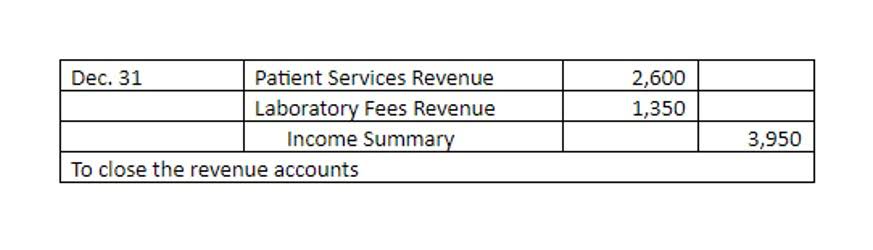
- If a company’s revenues are greater than its expenses, the closing entry entails debiting income summary and crediting retained earnings.
- In other words, it means that the company has experienced a loss in terms of total net income.
- For instance, a company in a competitive industry may struggle to maintain market share, leading to reduced revenue and pressure on margins.
What is a Retained Earnings Deficit?
- For example, XYZ Partners, a small consulting firm, may experience difficulty covering operational costs or handling unexpected expenses due to its accumulated losses.
- A stock dividend is a payment to shareholders that consists of additional shares rather than cash.
- Dividends are earnings paid to shareholders based on the number of shares they own.
- For instance, paying dividends reduces the company’s retained earnings, which can affect the return on equity (ROE) ratio.
- The higher the retained earnings of a company, the stronger sign of its financial health.
- In a Partnership, negative retained earnings might restrict partners’ ability to fund new initiatives or improvements.
A consistent increase in retained earnings suggests a strong track record of profitability, while a decline or negative balance may indicate financial difficulties. It should be considered as part of a holistic financial analysis, along with other can you have a negative retained earnings key metrics. The only way to “fix” negative retained earnings is to generate consistent profits over time. Reducing costs, increasing revenue, and implementing effective financial management strategies are all essential steps in the process. The key to addressing negative retained earnings is to focus on long-term sustainability and profitability.
What is the difference between dividend and retained earnings?

The retained earnings are calculated by adding net income to (or subtracting net losses from) the previous term’s retained earnings and then subtracting any net dividend(s) paid to the shareholders. If the company had not retained this money and instead taken an interest-bearing loan, the value generated would have been less due to the outgoing interest payment. Retained earnings offer internally generated capital to finance projects, allowing for efficient value creation by profitable companies. However, note that the above calculation is indicative of the value created with respect to the use of retained earnings only, and it does not indicate the overall value created by the company. Management and shareholders may want the company to retain earnings for several different ledger account reasons. If a company’s revenues are greater than its expenses, the closing entry entails debiting income summary and crediting retained earnings.
- Advisories describe how OSFI administers and interprets provisions of existing legislation, regulations or guidelines, or provide OSFI’s position regarding certain policy issues.
- A leveraged buyout (LBO) is a transaction in which a company or business is acquired using a significant amount of borrowed money (leverage) to meet the cost of acquisition.
- While it’s not necessarily a fatal flaw, it serves as a powerful signal, urging a thorough assessment of a company’s financial health and strategic direction.
- After almost a decade of experience in public accounting, he created MyAccountingCourse.com to help people learn accounting & finance, pass the CPA exam, and start their career.
- Over several years, Starbucks used its profits and borrowed funds to buy back shares from the open market.
- Retained earnings are a crucial slice of this pie, sitting alongside other forms of equity like common stock (if applicable) and owner’s contributions.
Then you should use the Adjustments to Shareholder’s Equity line to input the offset to Retained Earnings or report Distributions. If your Balance Sheet is in balance these would already be offsetting numbers. Retained earnings are the profits your business has made that are left over after you’ve paid out any owner’s draws or distributions. Retained earnings are at the heart of strategic financial planning for any business. They offer a way to self-fund growth, innovation, and operational enhancements while managing debt and personal compensation. The key is to align the use of retained earnings with your overall business goals, ensuring that every dollar reinvested contributes to your long-term vision.